
Scammers are constantly looking for new ways to trick people into giving them money. One recent scam involves people claiming you qualify for a government grant that gives you “free money.”
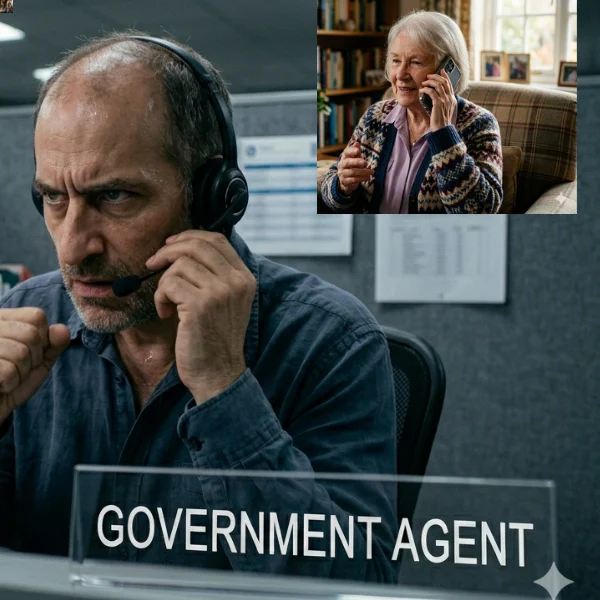
It sounds good, especially if you’re living on a fixed income or dealing with inflation. But these offers are scams.
According to the Federal Trade Commission (FTC), scammers often contact people unexpectedly and claim they can get government money for personal expenses like bills, home repairs, or medical costs. The catch? They want your information or a payment first.
Let’s break down how these scams work and how you can protect yourself or someone you love.
The Truth About Government Grants
One of the biggest red flags is the promise of free money for personal expenses.
Here’s what many people don’t realize:
- Real government grants usually go to organizations or specific projects, not individuals looking to pay personal bills.
- Government agencies won’t contact you out of the blue about a grant you never applied for.
- You should never have to pay a fee to receive a legitimate grant.

TOZO T10 Wireless Bluetooth Earbuds
The Tech Boomer recommends these wireless bluetooth earbuds. Clear, crisp sound—plus they’re easy on the wallet!
View on Amazon →This post may contain affiliate links. As an Amazon Associate, I earn from qualifying purchases.
If someone promises free government money for personal expenses, it’s almost certainly a scam.
Common Signs of a Government Grant Scam
Here are some of the most common warning signs reported by the FTC.
1. Someone Contacts You Unexpectedly
Scammers may call, text, email, or message you on social media saying you qualify for a government grant. They might even make it look like they’re calling from a government office.
2. They Promise Money for Personal Bills
They often say the money can be used for things like:
- Home repair
- Medical bills
- Debt
- Education expenses
Don’t believe them.
3. They Ask for Personal Information
A scammer might say they need your:
- Social Security number
- Bank account information
- Address or date of birth
Once they have this, they can commit identity theft. And Identity theft is a good way for scammers to steal passwords
4. They Ask You to Pay a Fee
This is a huge warning sign.
Scammers often ask for payment using:
- Gift cards
- Wire transfers
- Cryptocurrency
- Cash reload cards
The government will never ask you to pay money to receive a grant.
Why Seniors Are Often Targeted
Scammers frequently target older adults because:
- Many seniors already receive government benefits.
- They may trust calls claiming to be from official agencies.
- They assume seniors may not be familiar with newer online scam tactics.
But the reality is anyone can be targeted.
In fact, the FTC reports millions of dollars lost to prize and government grant scams every year. Link
Simple Steps Seniors Can Take to Stay Safe
Here are some practical habits that can help you avoid these scams.
1. Never share personal information with someone who contacted you first.
If you didn’t initiate the conversation, hang up or block the scammer.
2. Don’t trust caller ID.
Scammers can fake phone numbers to make them appear official.
3. Take your time before making any decision.
Scammers often pressure people to act immediately.
4. Verify everything independently.
If someone claims to represent a government agency, look up the official phone number and call them directly.
5. Ignore offers that sound too good to be true.
Free government grants for personal expenses are a scam.
What to Do If You Encounter One of These Scams
If you get a message or call like this:
- Do not respond.
- Do not send money.
- Do not share personal information.
Instead, just break contact with the scammer. Hang up, and/or block them.
And you could report the scam to the FTC’s fraud reporting system. But to be honest, usually the scammers are located in another country, which means they’re not under the jurisdiction of the United State’s authorities.
The best thing you can do is, you can warn friends, family members, or neighbors who could also be targets.
As always, if you have a question about this or any other post, please leave a comment below, or you can email me at larry@thetechboomer.com.

OTC Hearing Aids for Seniors
OTC Hearing Aids for Seniors, Hearing Aid Amplifiers Devices Rechargeable with Noise Cancelling, Superior Sound Quality for Adults Women Men Hearing Loss, Auto On/Off
View on Amazon →This post may contain affiliate links. As an Amazon Associate, I earn from qualifying purchases.